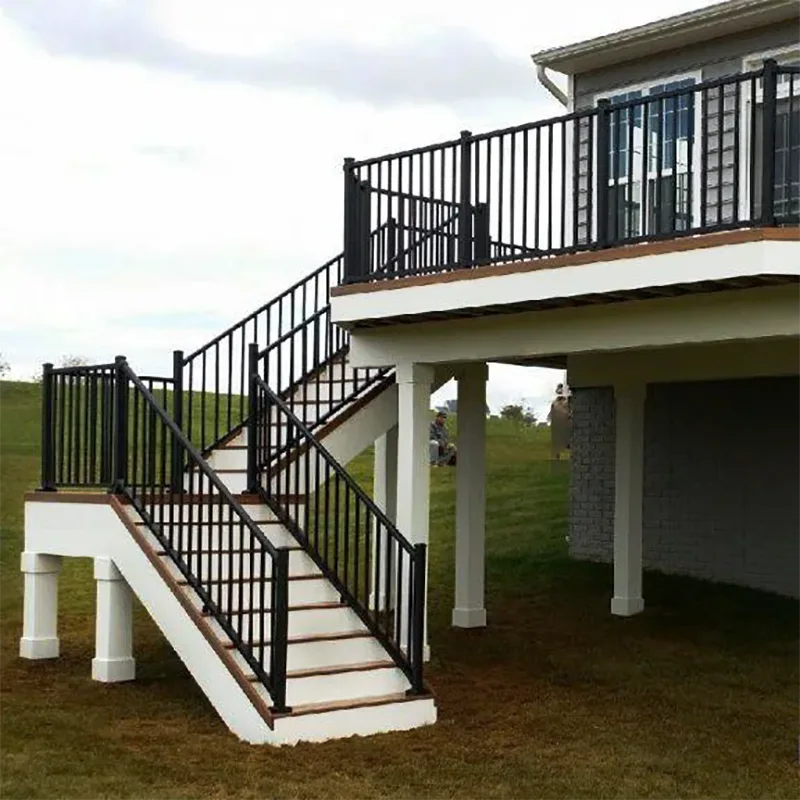
Currently, aluminum railing and steel railing are the most mainstream and in-demand railing types in the global and US markets. For wholesalers, contractors, and private owners engaged in new construction or renovation projects in the US market, the choice of materials for railing projects has the most significant impact on long-term success. Railing has two core functions that cannot be ignored. One is the safety protection function that must comply with strict regulations. The other is the aesthetic function that enhances property value. Choosing the wrong material can lead to a significant increase in long-term maintenance costs. It can also cause violation of regulations and project delays. Additionally, it may result in irreparable reputational or economic losses.
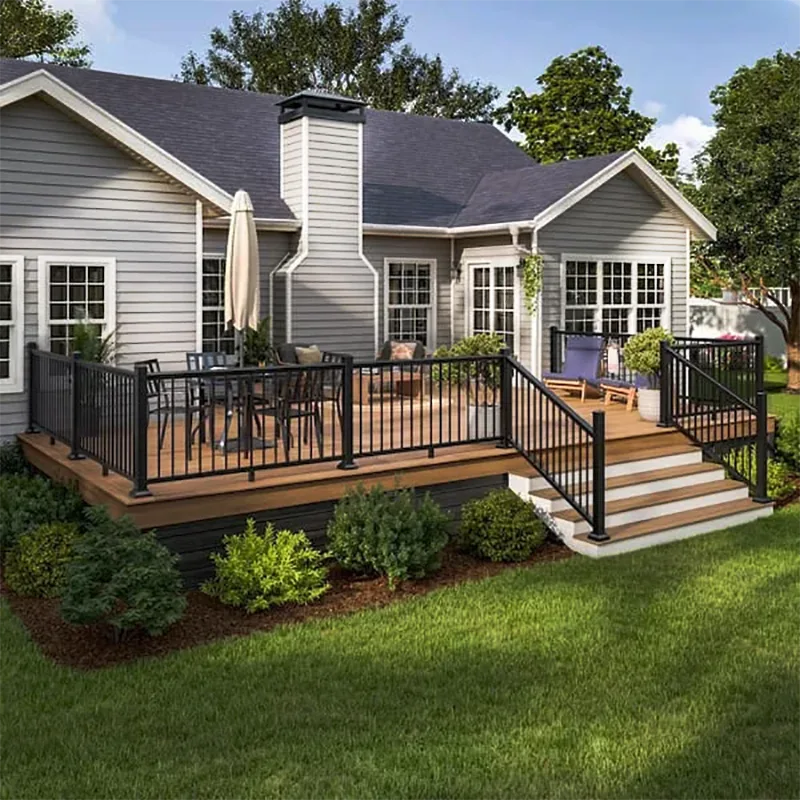
Whether you are a wholesaler selecting inventory, a contractor bidding on projects, or an owner updating properties, you may have been confused about the choice of these two materials. This guide provides a comprehensive comparison consistent with US market regulations and offers clear selection guidance for all project types.
What is Aluminum Railing?
Aluminum railing is made from high-strength extruded aluminum as the basic material and is mostly manufactured in the form of standardized prefabricated modular components. Most qualified products are treated with durable powder coating to enhance scratch resistance and color retention. Currently, it has become the fastest-growing and most popular choice in residential and light commercial projects, and all compliant aluminum railing meets the US ASTM material standards and IRC building safety regulations.
What is Galvanized Steel Railing?
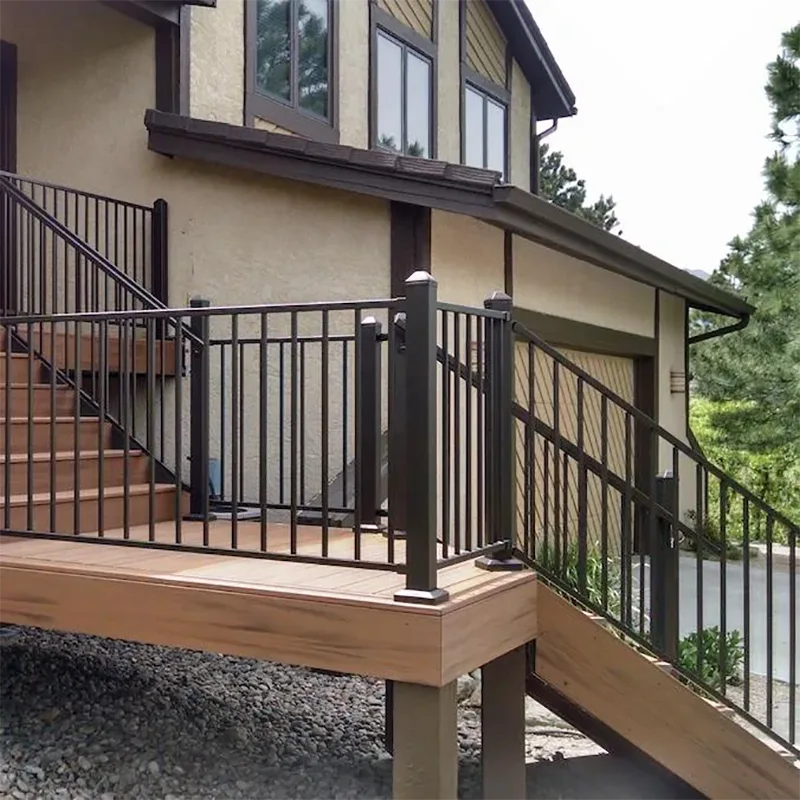
Steel railing is made from high-quality hot-dip galvanized steel and offers two options: pre-welded and on-site custom processing. Qualified products are also treated with additional anti-corrosion processes, such as electroplating or powder coating after galvanizing. It has long been the preferred material for heavy industrial and large commercial projects and meets the quality and safety requirements of the US market.
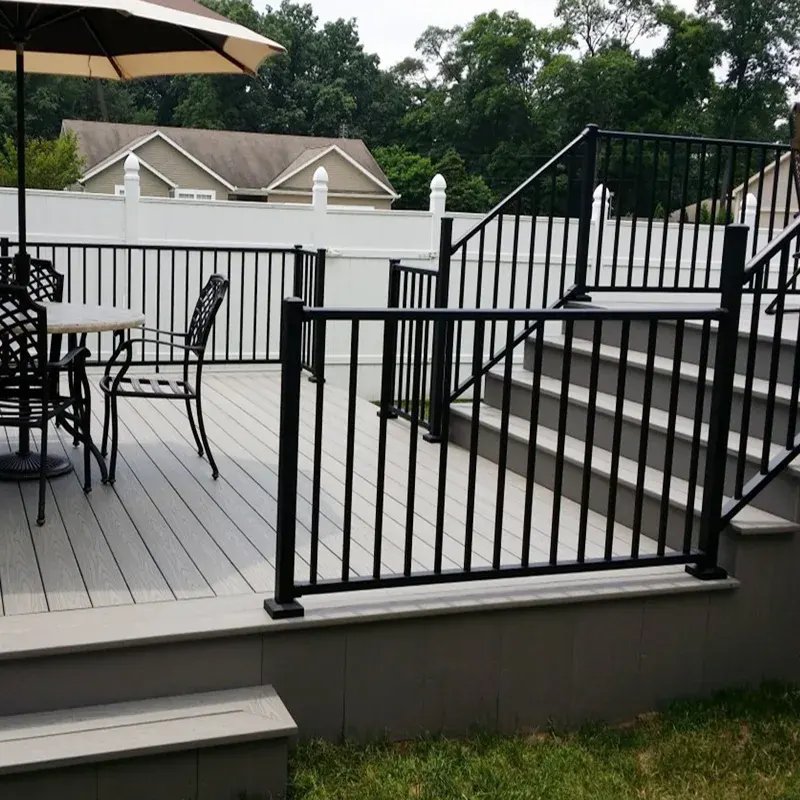
Key Dimension Comparison: Aluminum Railings vs. Steel Railings
Cost Comparison:
Initial Cost: The initial purchase price of aluminum railing is slightly higher than that of ordinary carbon steel railing, and is roughly the same as that of high-end anti-corrosion steel railing. For B-end wholesalers, the lightweight nature of aluminum can also reduce logistics and storage costs, thereby lowering overall operating expenses.
Long-term Cost: Aluminum railing requires almost no additional maintenance investment, so the total ownership cost during the product’s lifespan is much lower. Steel railing, on the other hand, requires regular rust removal and re-painting. This results in a significant increase in long-term maintenance costs.
Durability and Environmental Adaptability
Aluminum naturally forms a protective oxide film. This film has superior rust and corrosion resistance compared to steel. It is particularly suitable for coastal areas with high salt spray and humidity. Aluminum fully meets the anti-corrosion standards for coastal building projects in the US. Even after galvanizing and powder coating, the welding points and scratched parts of the steel railing are still prone to rust and aging. Therefore, steel is more suitable for use in dry inland areas.

Structural Strength and Load-bearing Capacity
Steel’s strength and hardness are far higher than those of aluminum alloys, making it suitable for heavy-duty protection scenarios. The conventional strength of aluminum alloys is sufficient for residential projects, while special high-strength aluminum alloys can also be used for light commercial scenarios, but their load-bearing capacity is still lower than steel.
Installation Efficiency and Labor Cost
Aluminum railing adopts a lightweight, prefabricated modular design, eliminating the need for on-site welding during installation, thus shortening the construction period and reducing labor costs. For B-end contractors, this effectively shortens the project delivery cycle and enables them to undertake more projects each year.
Steel railing is relatively heavy, and most projects require on-site welding and processing, resulting in high installation difficulty, long construction periods, and high labor costs (especially in the US market, where labor costs are already high).
Appearance Design and Custom Flexibility
Aluminum is easy to be extruded into various shapes, such as curves and hollow carvings. It offers a wide range of color options to suit modern and vintage styles. It can meet the customization needs of B-end customers and conforms to the diverse aesthetic preferences of the American market.
Steel railings are mostly in a heavy industrial style. The processing cost for complex shapes is very high, so their customization flexibility is much lower than that of aluminum products.

Maintenance Requirements
Aluminum railings require minimal maintenance, needing only daily cleaning. They eliminate the need for repainting or rust prevention treatments.
Conversely, steel railings demand significantly more upkeep. They require repainting every 3 to 5 years to address scratches and rust, leading to higher long-term maintenance costs.
Which Type of Railing Is Better for Your Project?
Our selection advice is: Choose the right material for the right project.
Scenarios and customers suitable for aluminum railings
Aluminum railings are suitable for residential courtyards, terraces, pool sides, lightweight commercial walkways, and scenic landscape belts in civilian and light commercial projects. Especially in coastal areas with high humidity and high salt spray, such as vacation homes on the east coast. Among B-end customers, wholesalers specializing in civilian retail orders and contractors engaged in renovation projects are more suitable to stock aluminum railings. This is to meet downstream demand. Their low-maintenance characteristics can enhance customer satisfaction.
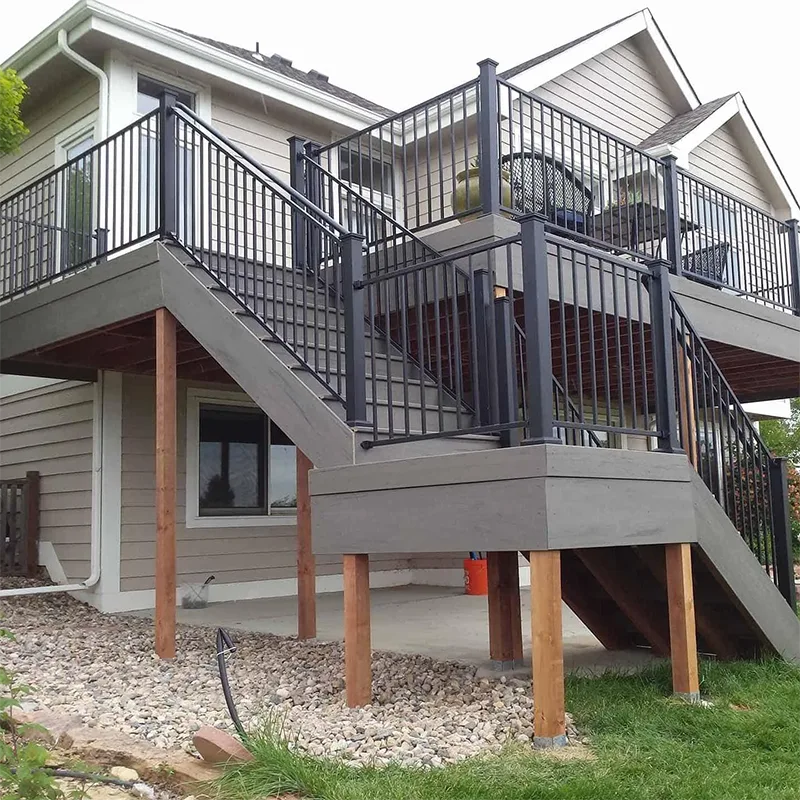
Suitable scenarios/customers for steel railings
Steel railings are suitable for heavy commercial/industrial projects with high load requirements, such as industrial zones, large public platforms, parking lots, and port docks. Especially in inland areas with low humidity and dry conditions, like factories in the Midwest. For B-end customers, suppliers and contractors specializing in industrial engineering orders will find the market demand for steel railings more stable. Its high strength ensures long-term reliability.
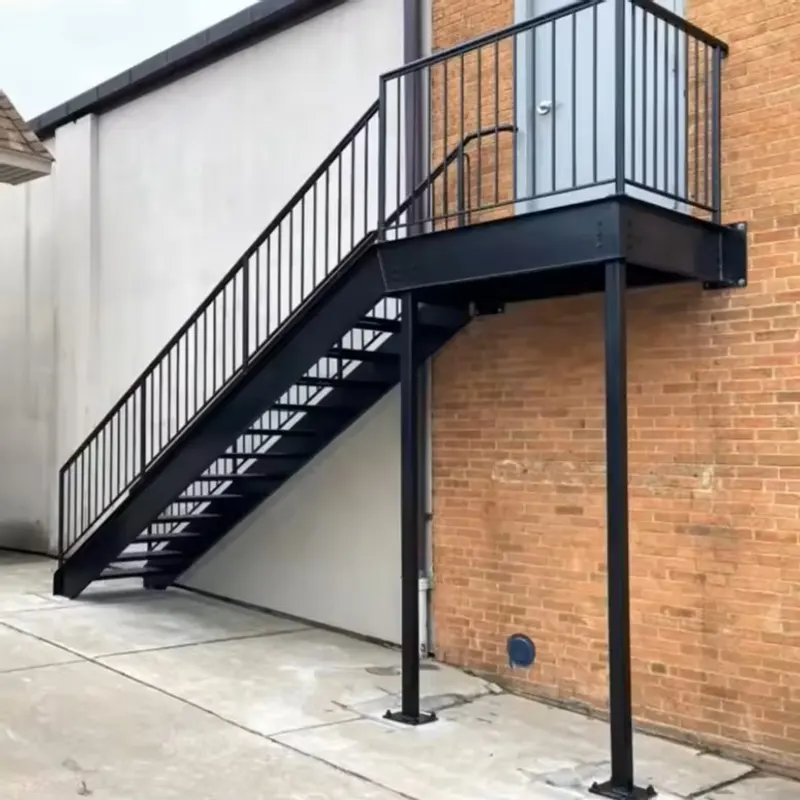
Conclusion
There is no single material that is absolutely superior. Rather, the best choice is the one that most closely aligns with a project’s specific requirements. Aluminum railings are the preferred option for residential projects. They offer low maintenance and high adaptability. Meanwhile, steel railings represent a cost-effective solution for heavy-duty industrial applications. Whether you are a B2B wholesaler sourcing inventory or a private homeowner undertaking a project, your priority should be to select a reliable supplier. This supplier must adhere to U.S. market standards and offer customization capabilities. By doing so, you ensure safety, regulatory compliance, and long-term value.