
Do you dream of having the perfect residential fence, or perhaps wish to erect a sturdy protective barrier around your industrial facility? Yet, faced with the dizzying array of fencing products on the market, you may feel overwhelmed and unsure of how to select the option that best suits your needs. Currently, aluminum and steel are the two most popular fencing materials available. As they possess distinct characteristics, choosing the right material is crucial for ensuring optimal performance in specific application scenarios. In this article, we will compare aluminum and steel fencing to help you gain a better understanding of these two materials, thereby enabling you to make an informed decision and select the ideal product for your project.
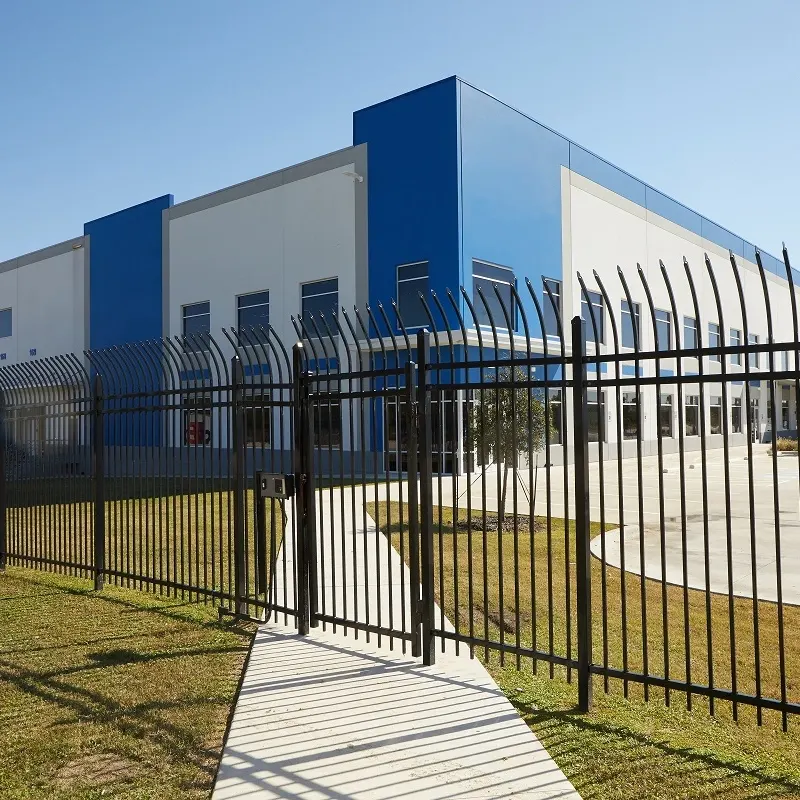
Strength and Durability: Meeting Industry Standards
Strength and Durability: Adhering to Industry Standards
Steel fencing is widely recognized for its exceptional strength and durability, making it the top choice for applications that demand maximum security and impact resistance. According to ASTM A653/A653M, which specifies the standards for steel sheets that are zinc-coated (galvanized) or coated with a zinc-iron alloy (galvannealed) through the hot-dip process, steel fences are designed to endure significant physical stress while providing long-lasting protection. For example, high-tensile steel fences, commonly utilized in agricultural settings, can withstand forces of up to 1,000 pounds per square inch (PSI), making them ideal for containing livestock and deterring intruders.
On the other hand, aluminum, although lighter, boasts excellent corrosion resistance, particularly in humid or coastal environments. Aluminum alloys like 6061-T6, frequently used in fencing applications, offer a high strength-to-weight ratio and are resistant to rust and corrosion, as outlined in ASTM B221, which details the specifications for extruded bars, rods, wire, profiles, and tubes made from aluminum and its alloys. While aluminum may not match steel in terms of sheer impact resistance, its natural resistance to corrosion often results in a longer lifespan, especially in harsh conditions.
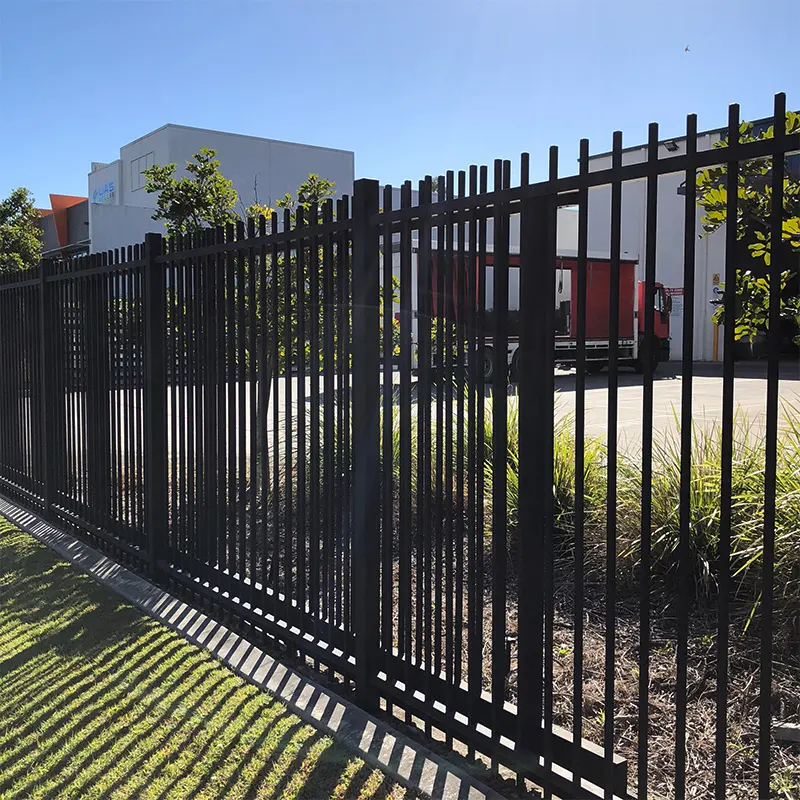
Cost Comparison
Aluminum fencing typically carries a lower upfront price tag than steel, thanks to its lightweight design, which cuts down on shipping and installation labor expenses—appealing for cost-savvy homeowners. Yet, steel often proves more economical over time with diligent maintenance, as its unmatched strength and longevity sidestep expensive repairs or full replacements.
According to a survey, the average cost to install an aluminum fence ranges from 2,500 to 5,000, while the average cost to install a steel fence ranges from 3,500 to 3,500 to 7,000. These figures can vary depending on the size of the property, the style of the fence, and the labor costs in your area.
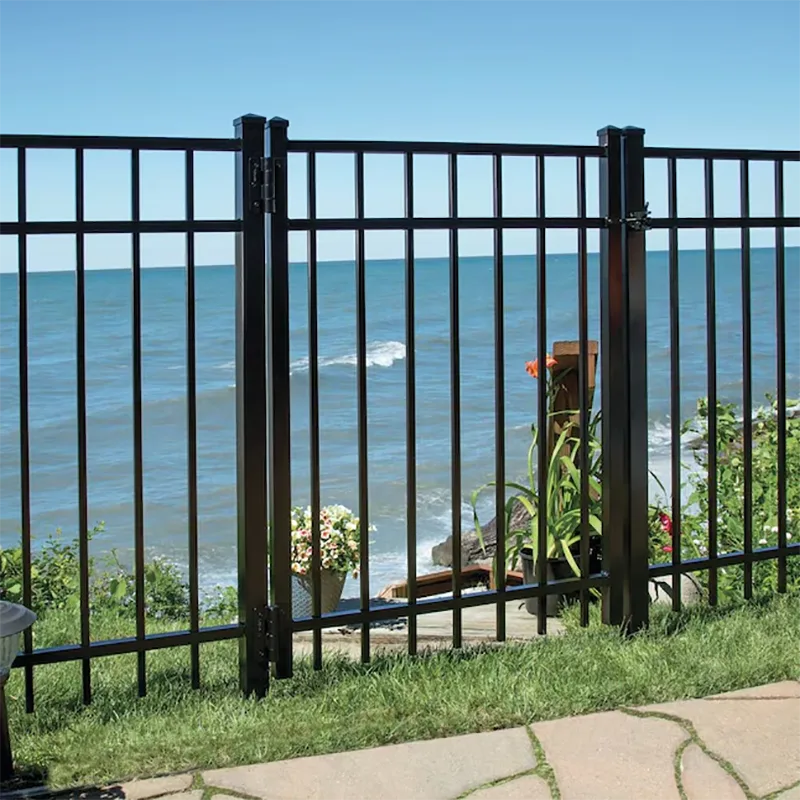
Maintenance and Longevity
Maintenance is a crucial factor in determining the long-term cost-effectiveness of fencing. Aluminum fences are virtually maintenance-free, requiring only occasional cleaning to remove dirt and debris. Their natural corrosion-resistance eliminates the need for painting or sealing, saving homeowners significant time and money.
Steel fences, on the other hand, require more attention to prevent rust and corrosion. Galvanization, a process of coating steel with zinc, provides a protective barrier against the elements. However, even galvanized steel can eventually rust, particularly in areas with high humidity or salt exposure. According to the American Galvanizers Association, galvanized steel can last anywhere from 35 to 75 years, depending on the thickness of the zinc coating and the environmental conditions. Regular inspections and touch-up painting can extend the lifespan of steel fences, but these activities add to the overall maintenance cost.
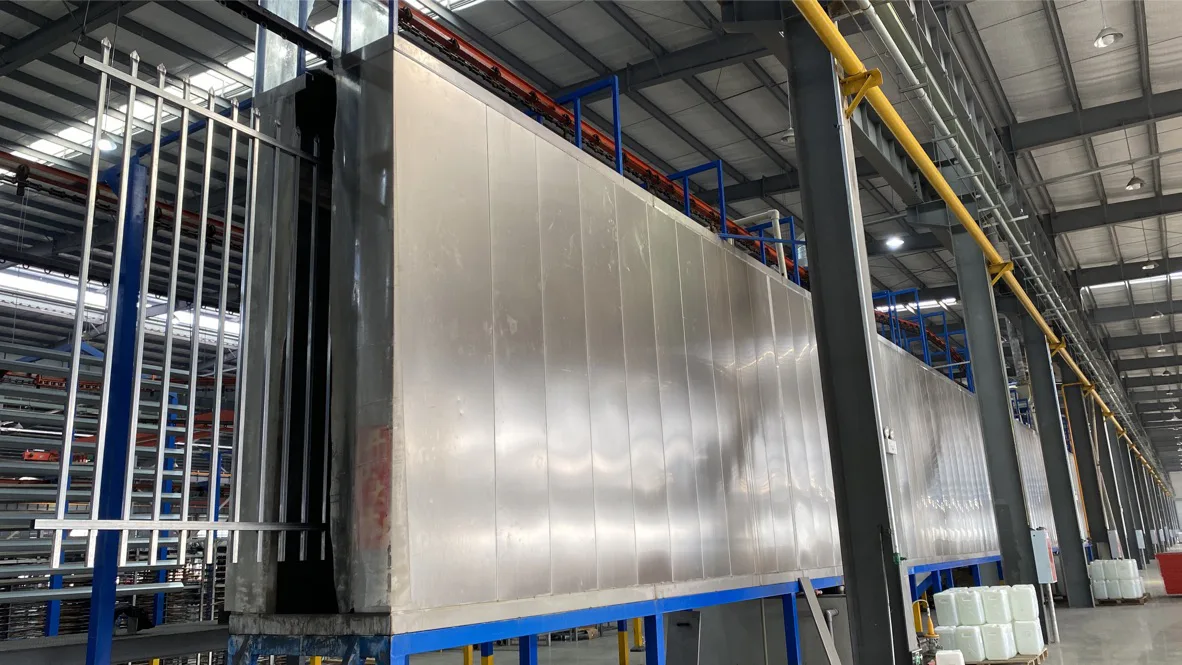
Aesthetics and Style Options
Both aluminum and steel fencing offer a wide range of aesthetic options to complement any architectural style. Aluminum fences are often associated with modern designs, featuring clean lines and minimalist finishes. Powder coating, a process of applying a dry, free-flowing powder to the metal surface, provides a durable and attractive finish in a variety of colors.
Steel fences can also achieve a modern look, but they are particularly well-suited for traditional or ornamental designs. Wrought iron-style steel fences offer the classic elegance of wrought iron without the high maintenance requirements. Steel’s strength allows for intricate decorative elements, such as scrolls, finials, and pickets, which can significantly enhance property value.
Environmental Impact
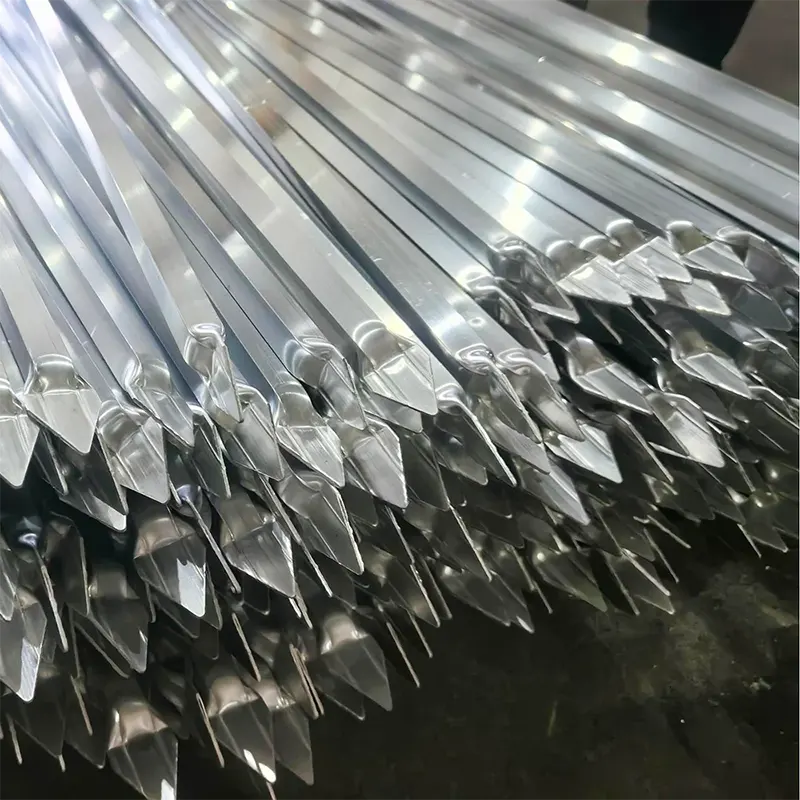
Both aluminum and steel are recyclable materials, making them more environmentally friendly options compared to wood or vinyl. Aluminum has a slight edge in terms of carbon footprint, as it requires less energy for production and transportation. However, the durability of steel means it often needs fewer replacements over time, which can significantly reduce its overall environmental impact.
According to the Steel Recycling Institute, steel is the most recycled material globally, with over 80 million tons recycled annually in North America alone. Aluminum also boasts a high recycling rate, with approximately 75% of all aluminum ever produced still in circulation today.
By carefully weighing these factors, you can make an informed decision about whether aluminum or steel fencing is the best fit for your property.
Residential Fencing vs. Commercial Fencing: Which Material Is Right for You?
Aluminum and steel each possess unique advantages, making them suitable for different types of projects.
Residential Fencing:
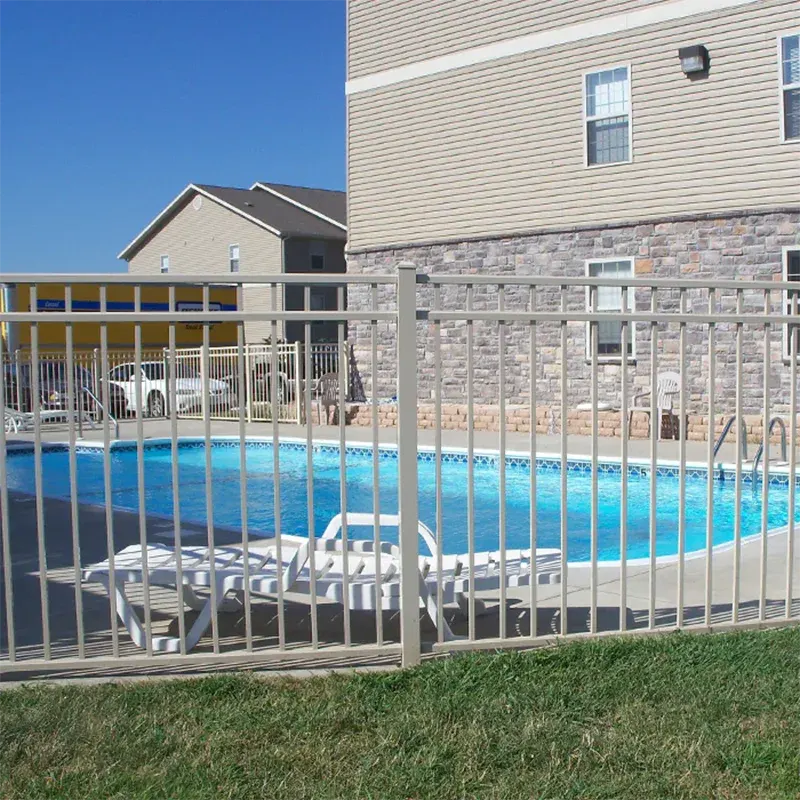
Aluminum: For homeowners who prioritize aesthetic appeal while also seeking privacy and low maintenance, aluminum fencing is an excellent choice. For instance, our Pool Fencing is a standout product within our residential series. Crafted from high-quality aluminum, this product features a powder-coated finish; colors can be customized to suit your preferences—whether black, white, or other shades. Additionally, for front yards, backyards, gardens, and similar areas, our Aluminum Flat Top Fence remains a highly popular option.
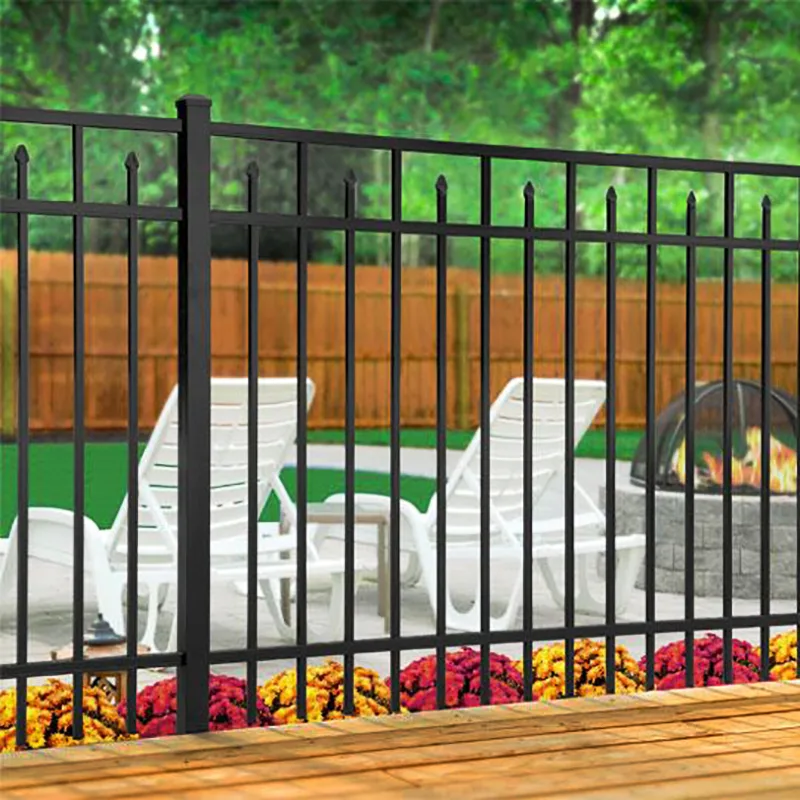
Steel: For homeowners whose primary concern is security, steel fencing offers a highly cost-effective solution. Take our Steel Flat Top Fence, for example: while retaining the aesthetic appeal and low-maintenance characteristics of aluminum, it substitutes the material with high-strength steel. This significantly enhances structural support and bolsters overall security.
Commercial Projects:
Aluminum: Aluminum fencing is a popular choice across a wide range of public and commercial venues. Its sleek, modern aesthetic allows it to seamlessly complement the specific style and atmosphere of the setting. For instance, our Aluminum Flat Top with Spear Fence features a novel design; the combination of a flat top and decorative spear tips makes it an ideal fit for locations such as coffee shops and retail stores, effectively elevating their overall brand image. Furthermore, our pre-assembled panels facilitate rapid installation, thereby minimizing any disruption to daily business operations.
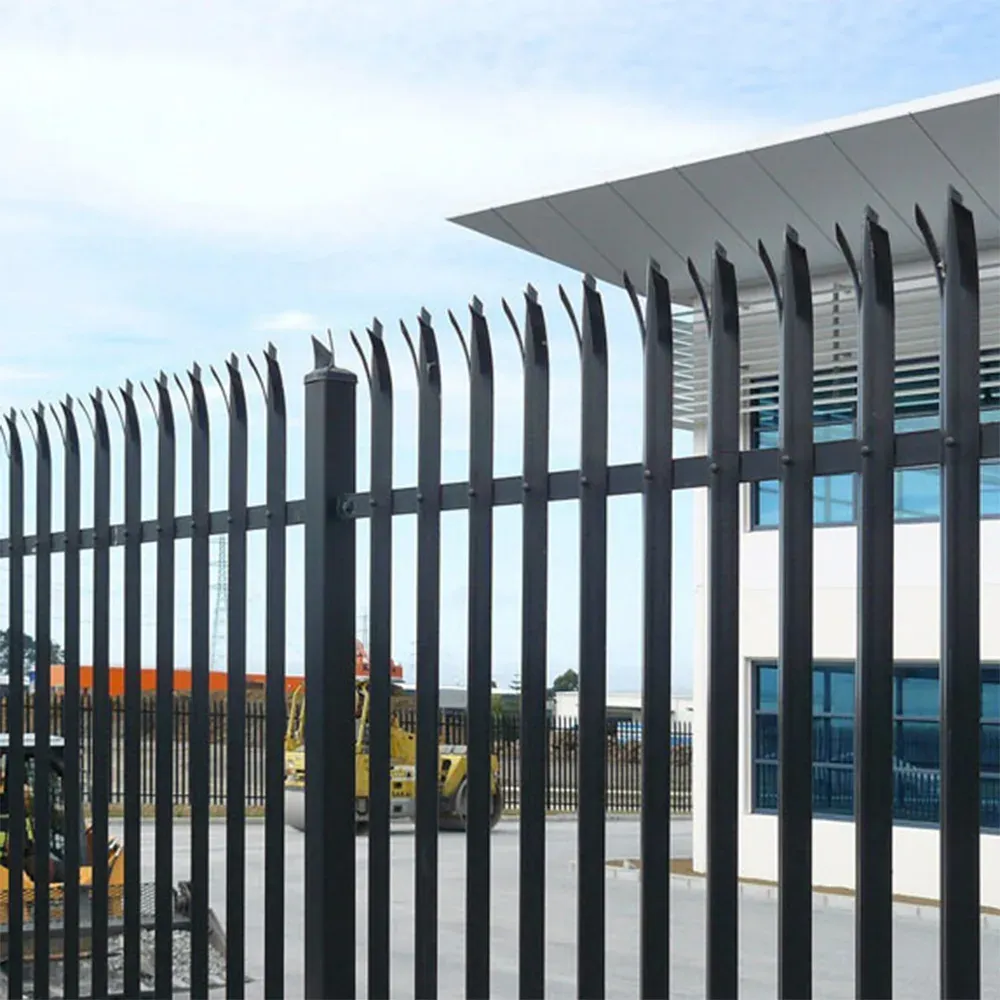
Steel: For areas with high-security requirements—such as industrial parks and parking lots—steel fencing is the clearly superior choice. Examples include our Palisade Fence and Spear-top fences. Their distinctive pointed designs serve a dual purpose: they act as an effective deterrent against intruders while simultaneously adding aesthetic flair, thereby achieving a perfect fusion of practicality and visual appeal.
Conclusion
Whether to choose steel or aluminum for your project will ultimately depend on your project’s characteristics, the forming process, and your budget. For example, if strength and durability are the most important attributes for your design, and the shape is not too complex, perhaps a steel alloy is the better option. On the other hand, if you need a good strength-to-weight ratio, corrosion resistance, and the ability to form a unique shape, aluminum is probably the better choice.
We strongly recommend consulting with a professional fencing installer who can offer personalized advice and tailored solutions based on the unique characteristics of your project.